Español
 Français
 Deutsch
 Italiano
 Português
 Nederlands
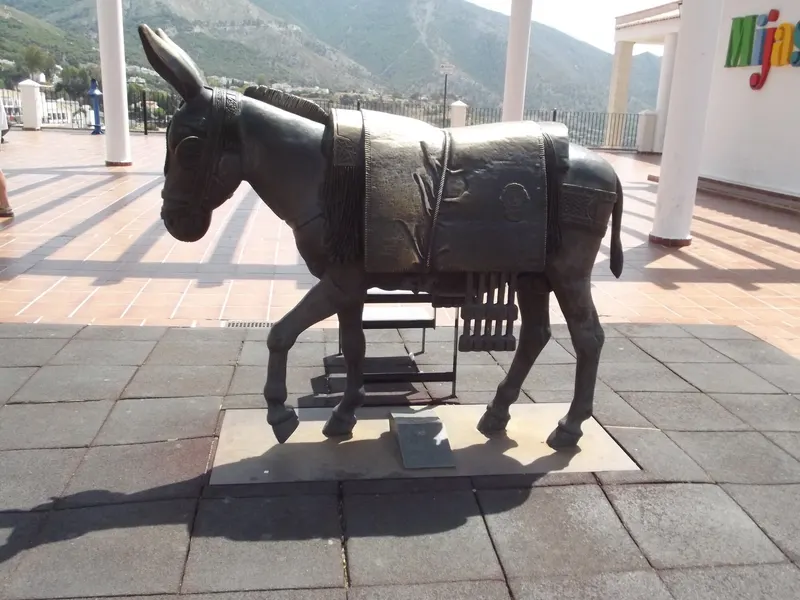
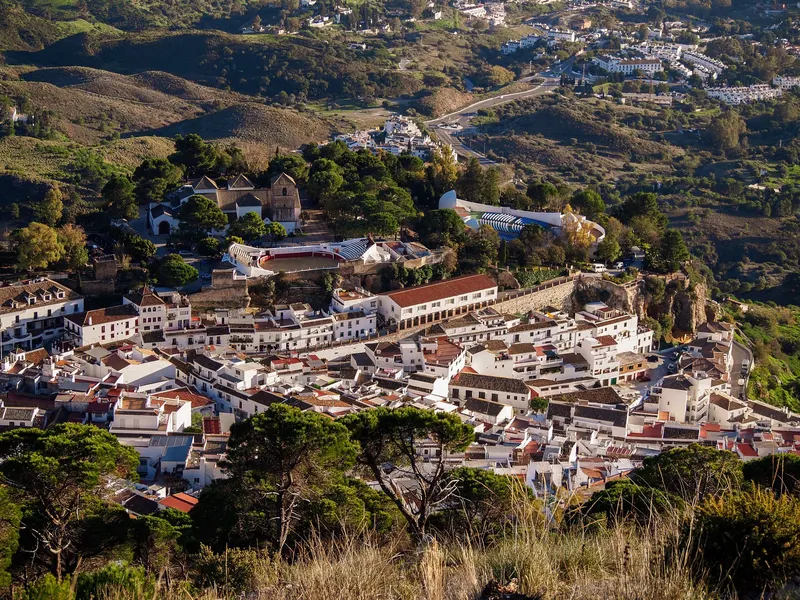
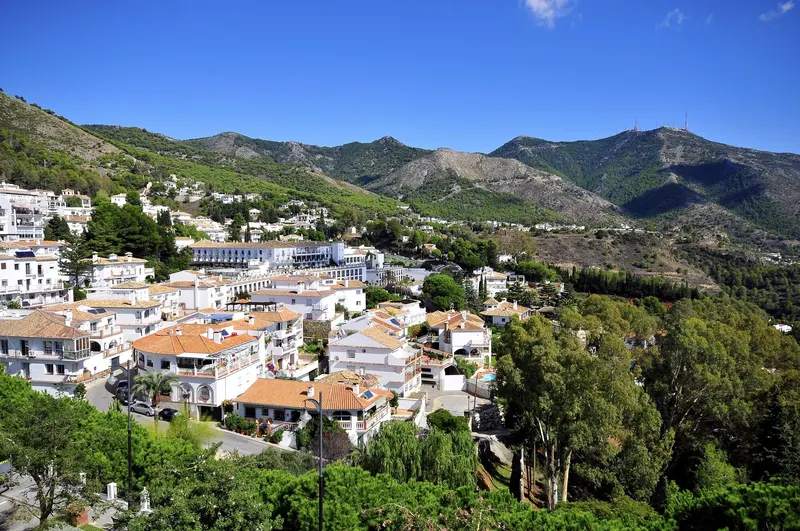
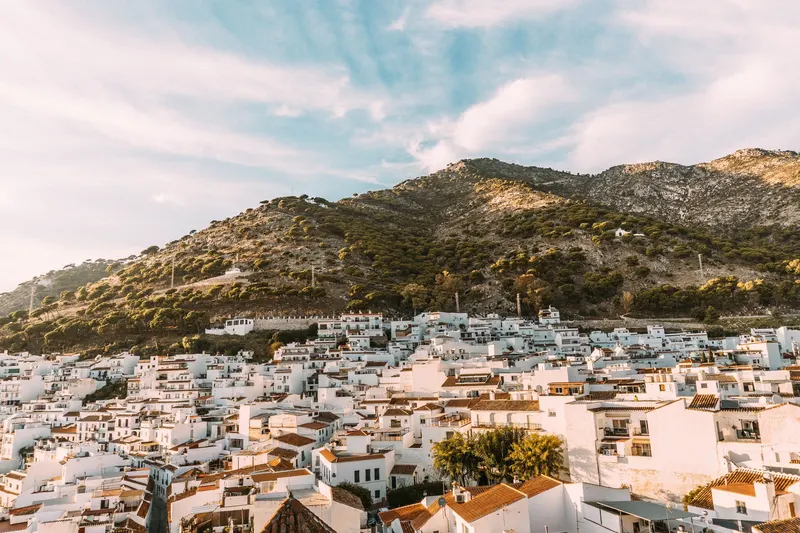
A white village overlooking the Mediterranean
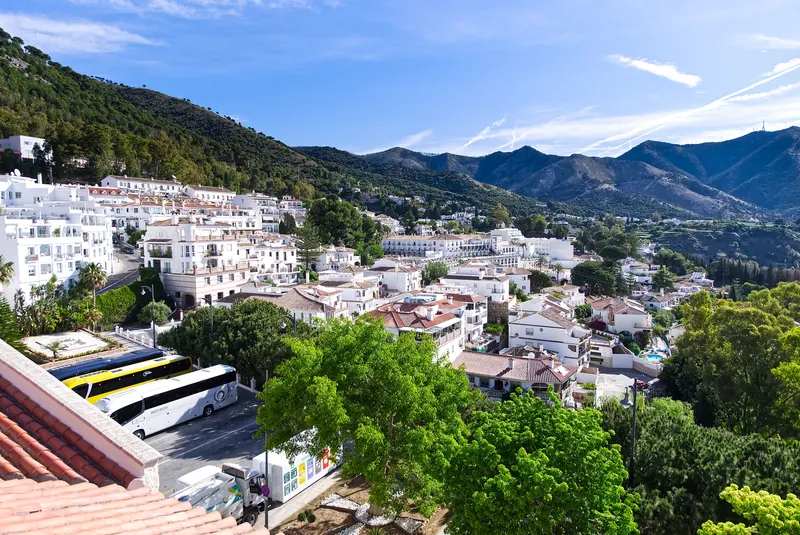
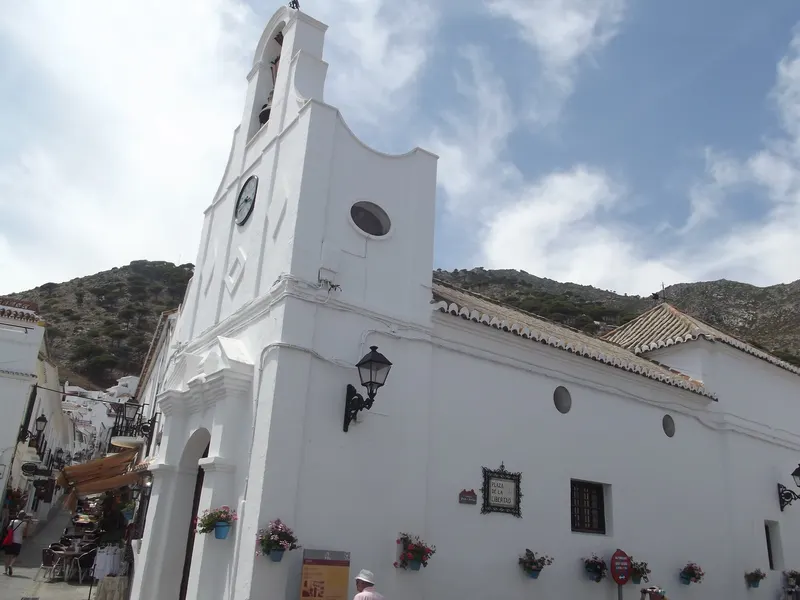
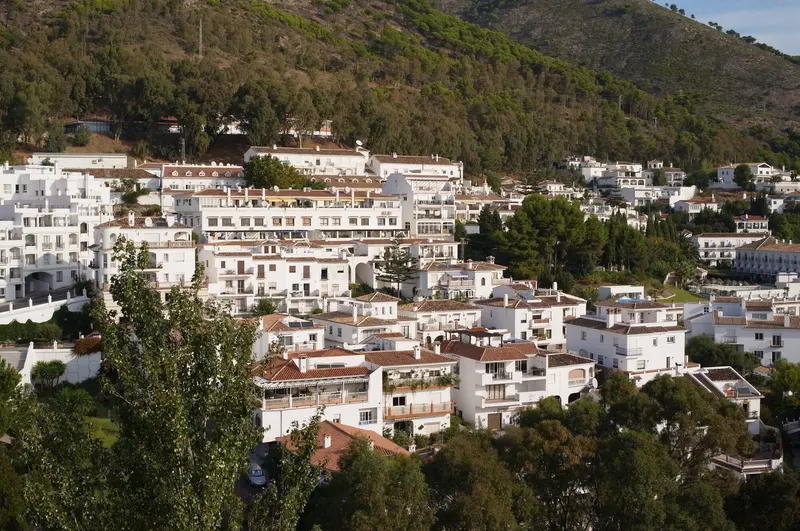
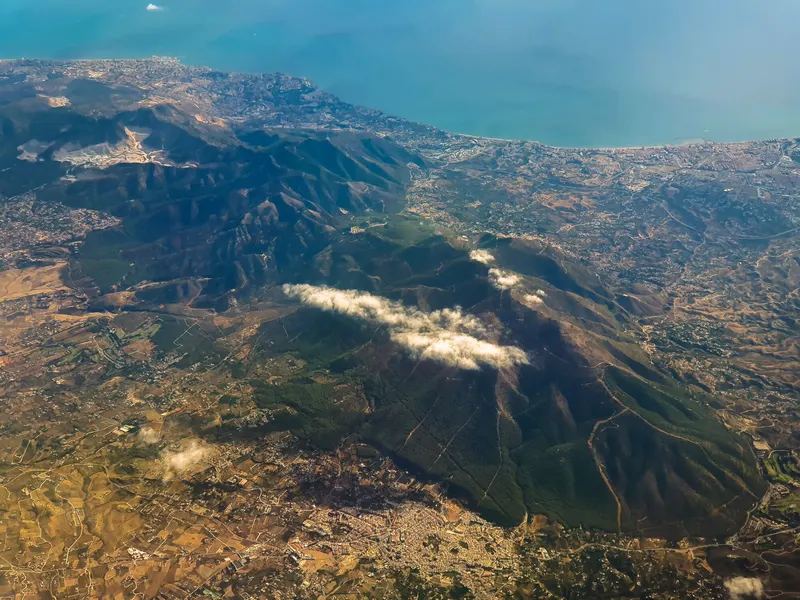
Mijas Pueblo is the municipality’s historic centre: a white village some 428 metres above sea level, on the slopes of the Sierra de Mijas, with the whole coastline at its feet. Around 3,500 people live here (INE, 2025), though many more visitors explore it each day, drawn by its whitewashed streets filled with plant pots and its viewpoints.
What to see
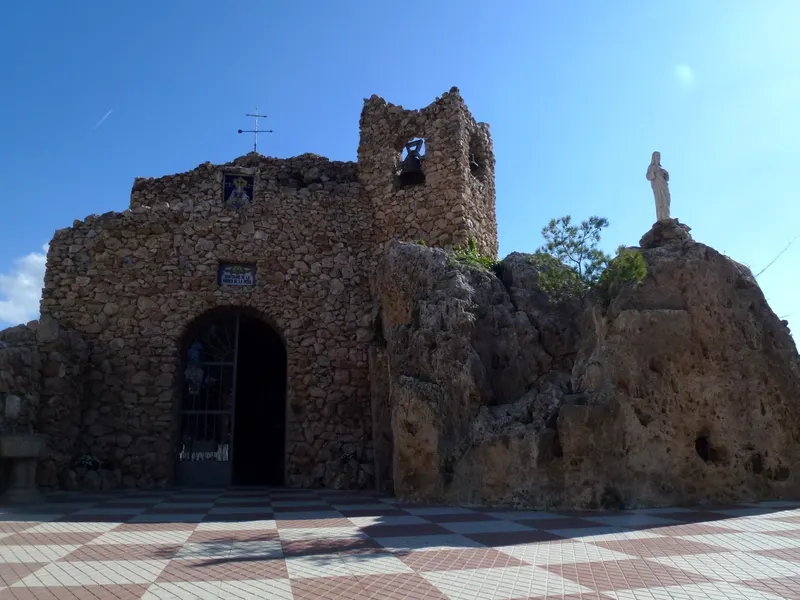
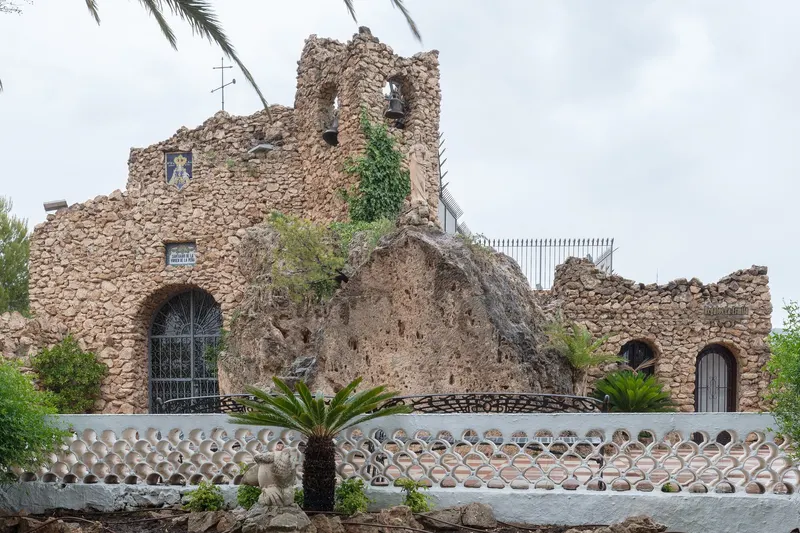
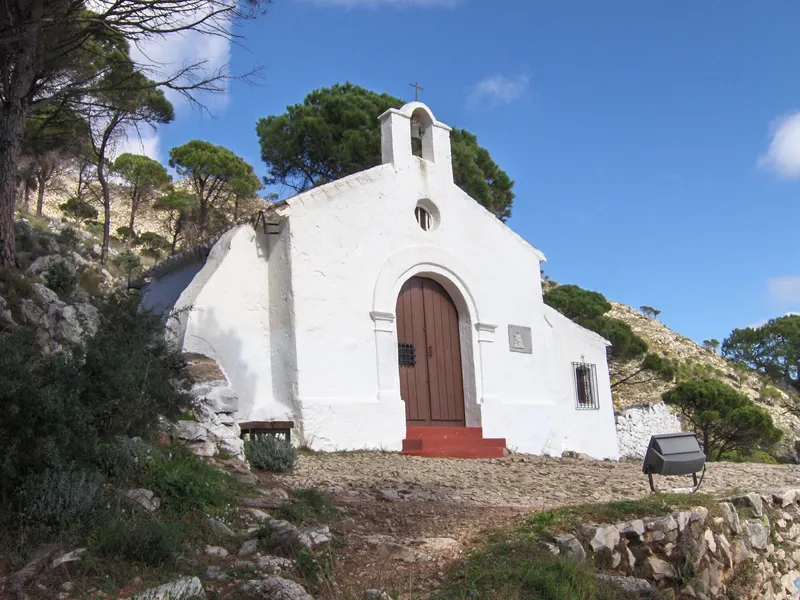
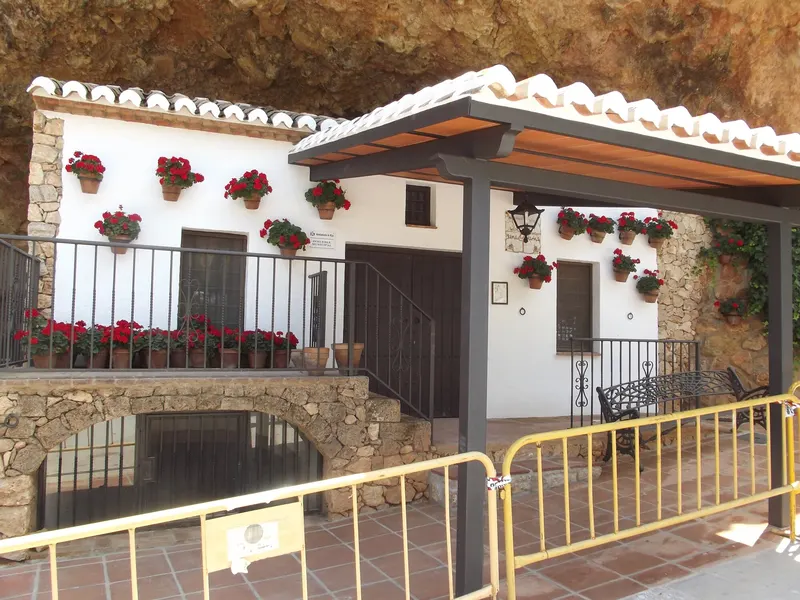
- Ermita de la Virgen de la Peña, a hermitage carved into the rock and dedicated to the patron saint of Mijas.
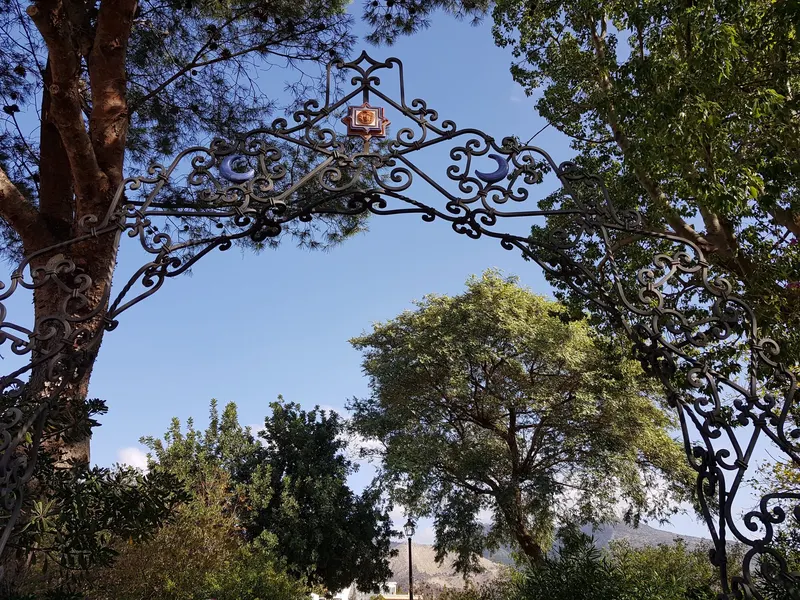
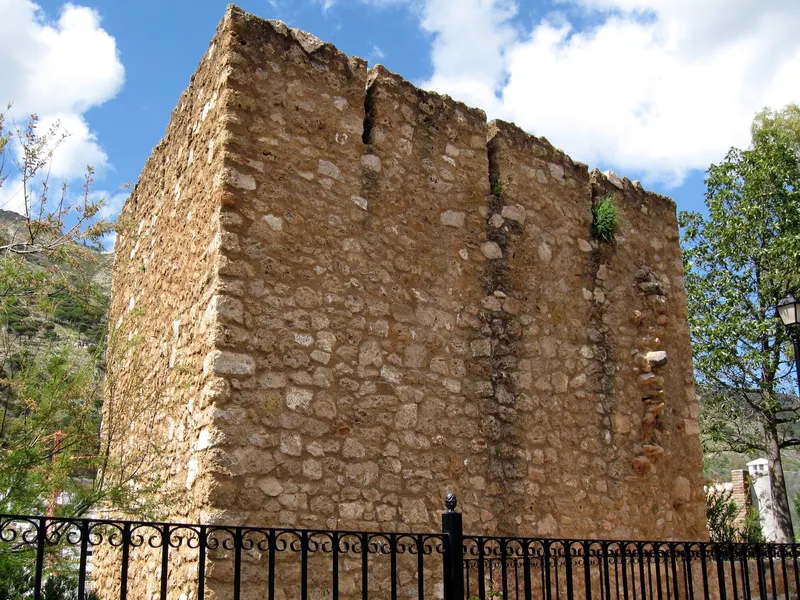
- Jardines de la Muralla, beside the castle ruins, with the Ruta Botánica de La Muralla (around 140 plant species from every continent) and one of the best viewpoints on the Costa del Sol.
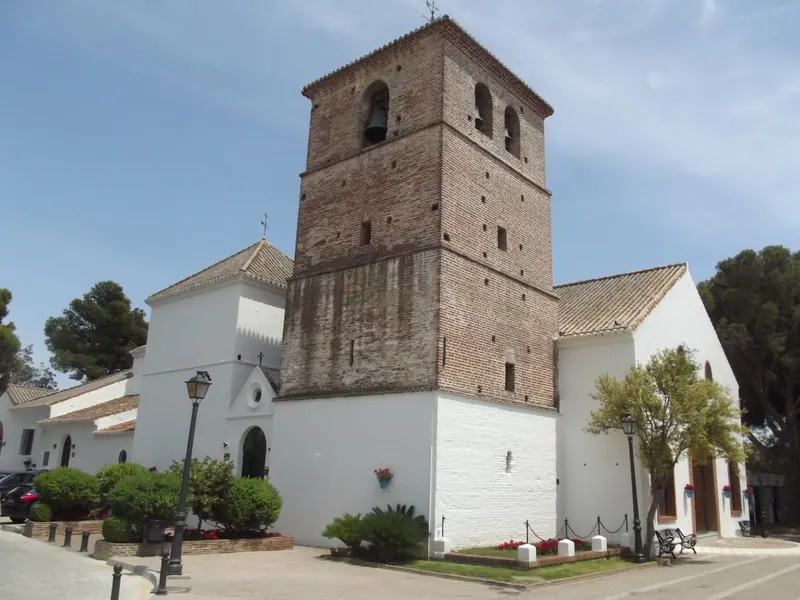
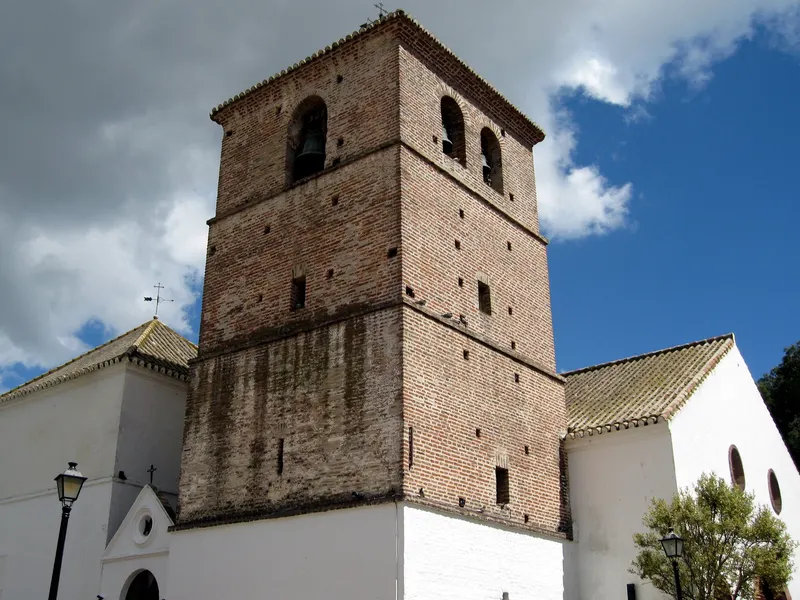
- Parroquia de la Inmaculada Concepción, a parish church at the foot of the Muralla.
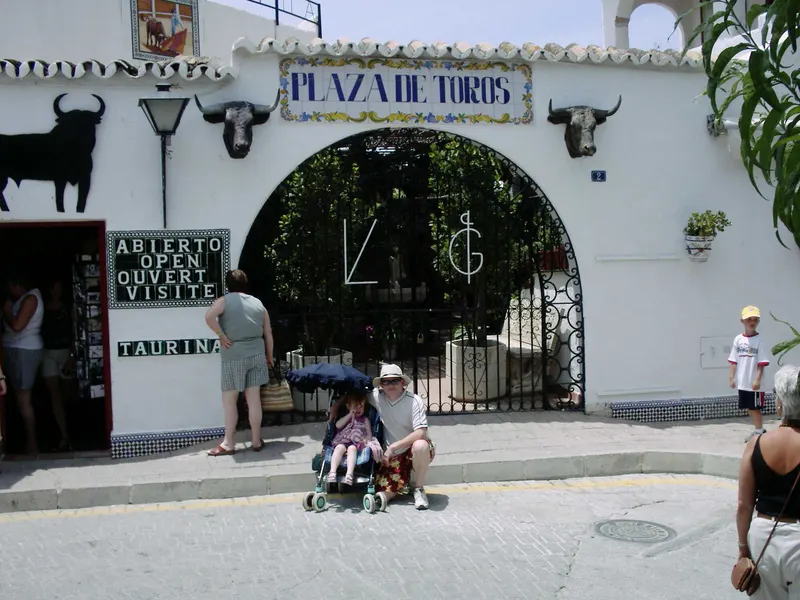
- Bullring, small and distinctive, at the top of the old town.
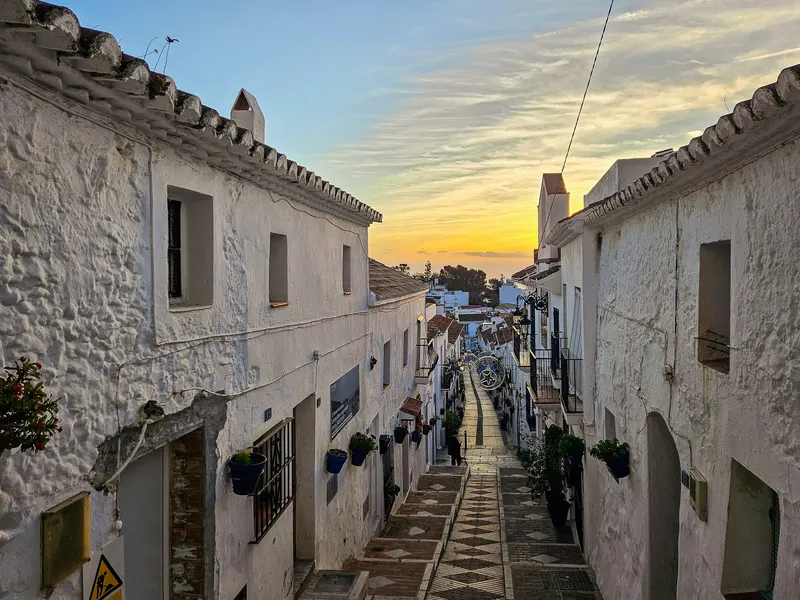
- Calle San Sebastián, with its church, one of the village’s most photographed streets.
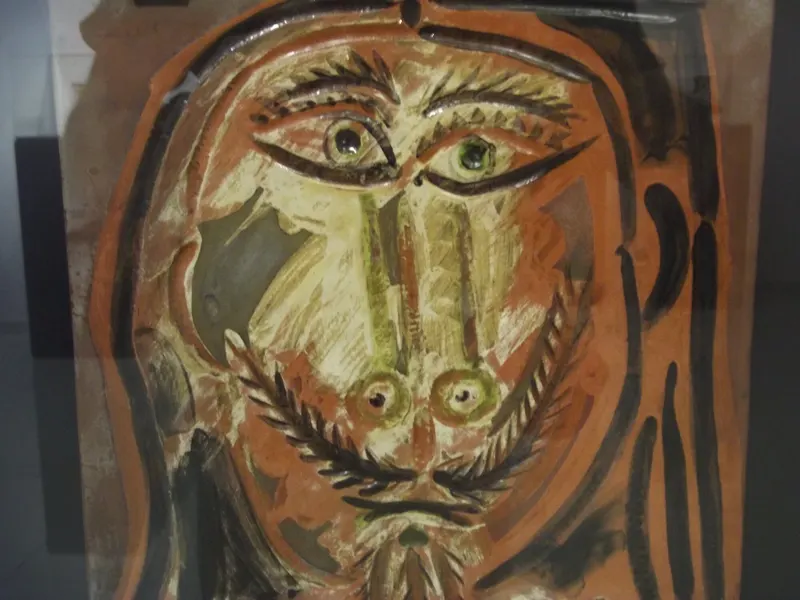
- Museums: CAC Mijas (Centro de Arte Contemporáneo, a contemporary art centre opened in 2013), with a collection of Picasso ceramics, and the Casa Museo, devoted to traditional life.
Culture and festivals
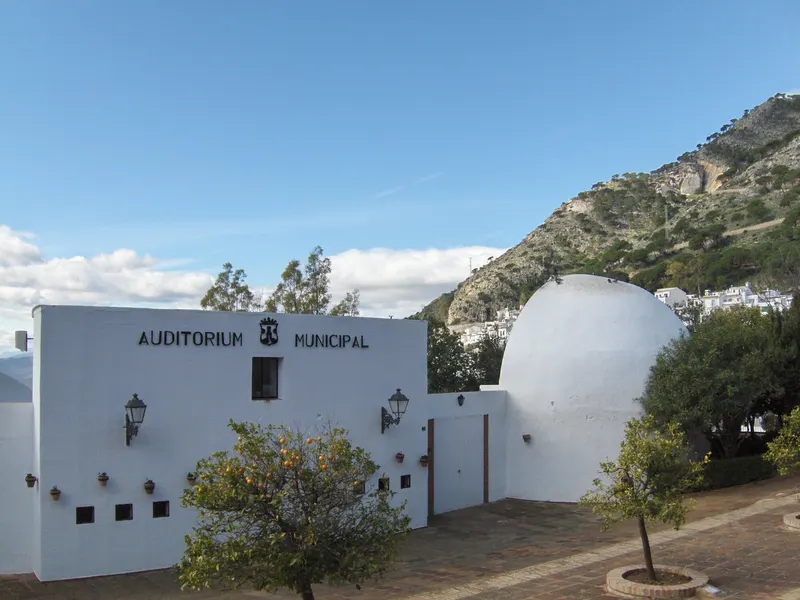
The Auditorio Municipal Miguel González Berral, in the Jardines de la Muralla, hosts the Festival de Teatro Villa de Mijas every summer. The festivities in honour of the village’s patron saint, Virgen de la Peña, take place in early September, with the main celebrations on 8 September. On 17 January, the feast day of San Antón, animals are blessed at the hermitage in Osunillas, just over a kilometre from the village.
Shopping and eating
Craft workshops, ceramics, esparto grass crafts and local produce sit alongside tapas bars and restaurants with terraces around Plaza de la Constitución and Calle San Sebastián.
Getting here
The A-387 links the village with Fuengirola and, inland, with Alhaurín el Grande and Coín. The A-368 connects it with Benalmádena.